Signs You Need Boiler Servicing and What to Do Next
By Careys Plumbing Services Ltd
Signs you need boiler servicing and what to do next
A boiler can continue working while its efficiency, reliability and safety are gradually declining. That is why regular servicing matters, even when the heating still appears to be operating normally.
For homeowners in Coleshill, Water Orton, Chelmsley Wood and surrounding areas, recognising the early warning signs can help prevent an inconvenient breakdown and identify potential safety concerns sooner.
1. The boiler is making unusual noises
Boilers can produce some normal operating sounds, but new or increasingly loud noises should not be ignored. Banging, kettling, whistling, gurgling or vibrating may indicate an underlying issue.
Possible causes include trapped air, reduced water flow, a build-up of deposits, pump problems or pressure issues. The sound alone does not confirm the fault, so avoid trying to dismantle the boiler yourself. A qualified heating engineer can inspect the system and establish whether servicing, repair or system cleaning is needed.
2. Your heating is taking longer to warm up
If radiators take noticeably longer to heat the home, or some rooms remain cold while others warm up, the boiler or central heating system may not be working efficiently.
Cold patches on radiators, particularly at the top or bottom, can point towards trapped air or sludge. In some systems, poor circulation may also be linked to pump performance, balancing or a build-up within the pipework. Power flushing and system cleaning may be appropriate in some cases, but the right solution depends on the condition and design of the system.
3. The boiler keeps losing pressure
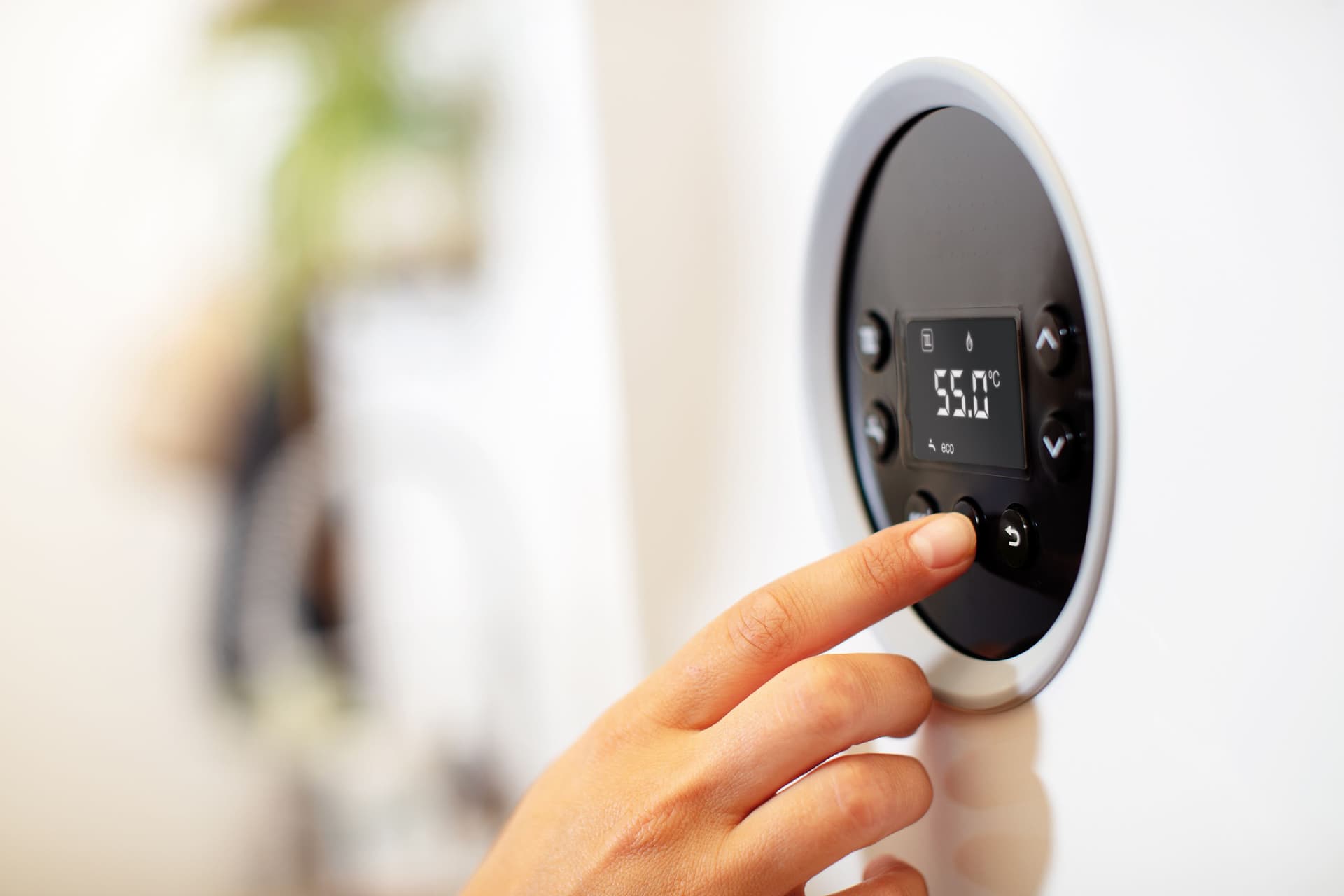
A boiler pressure gauge that repeatedly drops may indicate a leak, a problem with the expansion vessel or another fault within the heating system. You may be able to repressurise the system using the manufacturer’s instructions, but repeated pressure loss needs professional attention.
Check visible pipework, radiator valves and the area beneath the boiler for signs of water. Do not ignore small leaks. A minor issue can cause corrosion or lead to a complete loss of heating if it is left unresolved.
4. The pilot light or boiler keeps switching off
Modern boilers have safety controls designed to shut the appliance down when a fault is detected. Repeated lockouts, failed ignition or a pilot light that will not remain lit should be investigated rather than continually reset.
A one-off reset may restore heating temporarily, but it will not resolve the underlying problem. Boiler repair or servicing can help identify whether the cause relates to ignition, ventilation, pressure, condensate drainage or another component.
5. Your energy use appears to be increasing
A gradual rise in gas use can be caused by colder weather, changes in household habits or energy prices. However, if your heating bills increase without an obvious explanation, an inefficient boiler or poorly performing central heating system may be contributing.
During a service, the engineer can assess the boiler’s operation, inspect relevant components and identify signs of wear or poor performance. Improving controls, replacing an old thermostat or addressing circulation problems may also help the system operate more effectively, depending on the findings.
6. There is a strange smell or visible staining
Gas itself is given a distinctive smell to help identify leaks. If you smell gas, do not attempt to diagnose or repair the boiler. Turn off the gas supply at the meter if it is safe to do so, open doors and windows, avoid using electrical switches or naked flames, and leave the property. Call the National Gas Emergency Service on 0800 111 999 from a safe location.
Soot marks, yellow or orange flames, staining around the appliance or signs of condensation should also be treated seriously. These can indicate a combustion or ventilation problem and need attention from a suitably qualified engineer.
How often should a boiler be serviced?
Many manufacturers and heating professionals recommend an annual boiler service. The exact servicing interval may depend on the appliance, its age, its condition and the manufacturer’s guidance.
A service is different from a repair. Servicing is intended to check operation, safety and condition, while a repair addresses a known fault. Keeping service records can also be useful when maintaining a home and checking the appliance’s history.
What happens during a boiler service?
The engineer will normally inspect the boiler and associated components, check its operation and examine the flue and ventilation arrangements where applicable. Safety checks and performance tests help identify issues that may not yet have caused a breakdown.
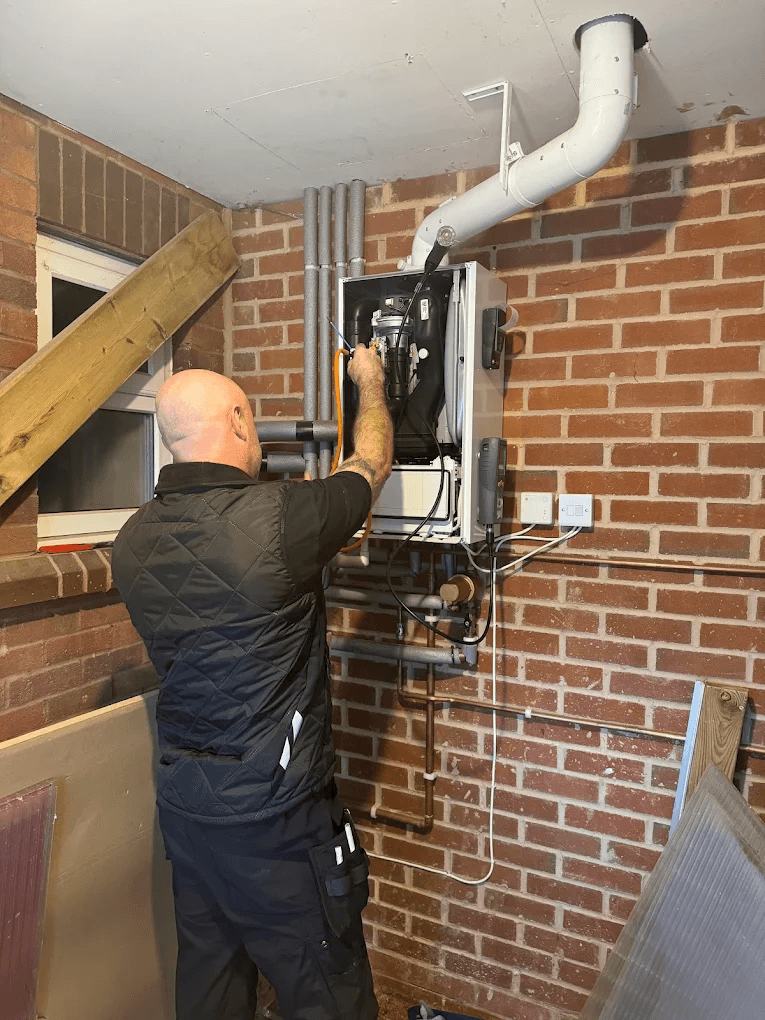
Never remove the boiler casing or attempt gas work yourself. Gas appliances should be inspected and worked on by a Gas Safe registered engineer.
What to do if your boiler shows these signs
Start by noting what has changed, including unusual noises, fault codes, pressure readings, smells and when the problem occurs. Check the manufacturer’s instructions for basic user checks, but do not repeatedly reset a faulty appliance or interfere with internal components.
Careys Plumbing Services Ltd provides boiler servicing, boiler repair, gas safety and inspections, and central heating services for homeowners in its covered local areas. Same-day callouts are available when a prompt response is needed. The business is fully insured and offers a guarantee on applicable work.
If your boiler is noisy, unreliable, losing pressure or showing signs of inefficient operation, contact Careys Plumbing Services Ltd to arrange an assessment and request a clear quote. The cost of any work will depend on the boiler, access, system condition, parts required and the scope of the job.